Why Do Good Employees Quit? The Signals Leaders Miss.
Quick answer: Good employees usually quit because a need went unmet long before they resigned, and the warning signs showed up in their behavior first. Leaders who notice those shifts and respond to the need, instead of correcting the behavior, keep their best people longer.
The dependable person starts blaming everyone else. The agreeable one says yes to everything and quietly falls behind. The one who always had ideas goes silent. Most managers respond by documenting. That is usually the moment to start asking.
What does it mean when a dependable employee starts acting differently?
It usually means they are in distress. In the Process Communication Model (PCM), distress shows up when a person's psychological needs go unmet for a period of time, and it shows up in predictable ways.
I learned this the hard way. When I owned a plumbing company, I wanted to be the approachable boss, so every morning huddle started with ten minutes of chit chat. How was your weekend? How are the kids? It was a habit I brought from the classroom, where spending the first ten minutes just talking built the rapport that made everything else work. It worked beautifully with middle schoolers.
It didn't always work with adults. Nobody said a word, but I could see it in their faces and body language. And I took it personally.
What I didn't understand then was that some of the people in that room were task-focused, with a real need to use their time productively. To them, ten minutes of "just talking" felt like ten minutes of falling behind. That unmet need put them in distress, and their behavior changed. It wasn't personal. It was a need I wasn't meeting.
PCM describes three common distress patterns, and you have probably seen all of them on a team:
Blame ("I'm okay, you're not okay"). Nothing is their fault. Mistakes belong to the boss, the team, or the system.
People-pleasing ("I'm not okay, you're okay"). They say yes to everything, downplay their own work, and avoid conflict at their own expense.
Withdrawal ("I'm not okay, you're not okay"). Motivation drops, cynicism sets in, and they shut down or isolate.
Why does it matter if leaders miss these signals?
Because missed signals turn into resignation letters. Behavior left alone becomes tension, tension becomes disengagement, and disengagement eventually walks out the door.
The research backs this up. In a Gallup study of employees who voluntarily left their jobs, 42% said their manager or organization could have done something to keep them. Nearly half (45%) said that in the three months before they left, no manager or leader talked with them about their job satisfaction, performance, or future with the company.
I teach that successful companies develop their people, put pressure on their processes, and then see the profit. Too many organizations reverse that order. They put the pressure on people, protect broken processes, and wonder why the best performers leave. Development starts with noticing.
How can managers respond to the need instead of the behavior?
You don't need a new policy to start. You need three habits.
Notice the shift before you correct it
When someone's behavior changes, get curious before you get corrective. My friend Bryan, a manager at a home services company, made a point to be in the yard every morning while technicians loaded their trucks. One morning he noticed that one of his top performers wasn't his usual upbeat self, so he called him over to check in. That conversation revealed the technician was burned out and wanted to move into accounting. Instead of losing him, the company built a 6 to 12 month path to transition him into the accounting department. He is still there today, and his wife now works there too.
Respond to the need, not the behavior
Different people need different things. For some, it is recognition for their work. For others, it is being asked for their opinion. For others, it is a genuine check-in on how they are really doing. This is the Platinum Rule in action: treat people the way they want to be treated, not the way you want to be treated.
Say it so they can hear it
One of my mentors once told me, "You can say anything to anyone as long as you say it correctly." When you deliver a message in the way someone needs to hear it, they can receive it without getting defensive. That is the heart of PCM training (https://todaysprofessionals.com/pcm-communication-training), and it is a skill any leader can learn.
What is the biggest mistake leaders make when an employee's attitude changes?
Taking it personally, and assuming everyone needs what you need. I thought I was being nice in those huddles. I was meeting my own need for connection and expecting everyone else to want the same thing.
The second mistake is correcting the behavior without asking about the cause. I once worked with a brilliant manager who knew the business inside and out, but his team felt criticized when they made mistakes and his praise felt hollow. People left. When he learned PCM and started communicating to each person's needs, he began encouraging instead of criticizing and making space for questions. His team became more motivated and more loyal, and the revolving door stopped.
How does the AIM Methodology help leaders read their team?
The AIM Methodology (Attitude, Image, Self-Management) gives leaders a simple way to apply this every day:
Attitude: Choose curiosity over taking it personally. A behavior change is information, not an attack.
Image: Adapt how you communicate so each person can actually hear you, especially under pressure.
Self-Management: Build the habit of regular, meaningful check-ins so you catch signals early instead of after the resignation letter.
Recently, I trained the quality team at a manufacturing company after working with their leaders over the summer. In sessions like that, I watch walls come down. I've heard people say, "I always thought you just didn't care." I've heard someone tell a coworker, "You don't have to always say yes." When people finally understand each other, you can feel the relief in the room.
Frequently asked questions
What is the Process Communication Model (PCM)?
PCM is a communication framework developed by Dr. Taibi Kahler that explains why people act, react, and communicate the way they do. It identifies six personality types, each with its own psychological needs and predictable distress behaviors. Leaders use it to adapt their communication and respond to stress before it turns into conflict.
Can better communication really reduce employee turnover?
It can make a real difference, though it is not the only factor. Gallup found that many people who quit believe their departure was preventable, and that most of them never had a meaningful conversation with a leader beforehand. Pay and career growth still matter, but regular, intentional conversations give managers a chance to address issues before someone decides to leave.
What should I do if an employee seems to be in serious distress?
When someone shows signs of hopelessness, extreme negativity, or complete withdrawal, it is a red flag that should not be ignored. Have a private, caring conversation, and point them toward appropriate support, such as your employee assistance program, counseling, or HR. Some situations need more than a manager can provide.
Key takeaways
A sudden change in a good employee's behavior is usually a signal of an unmet need, not a bad attitude.
Blaming, over-committing, and going silent are predictable distress patterns that leaders can learn to recognize.
Get curious before you get corrective, respond to the need, and say it in a way the other person can hear.
If you want your leaders to recognize these signals and respond before good people walk out the door, let's talk about bringing PCM training to your team.
Book a Discovery Call → https://todaysprofessionals.com/book-a-call.
Sources: 42% of Employee Turnover Is Preventable but Often Ignored, Gallup
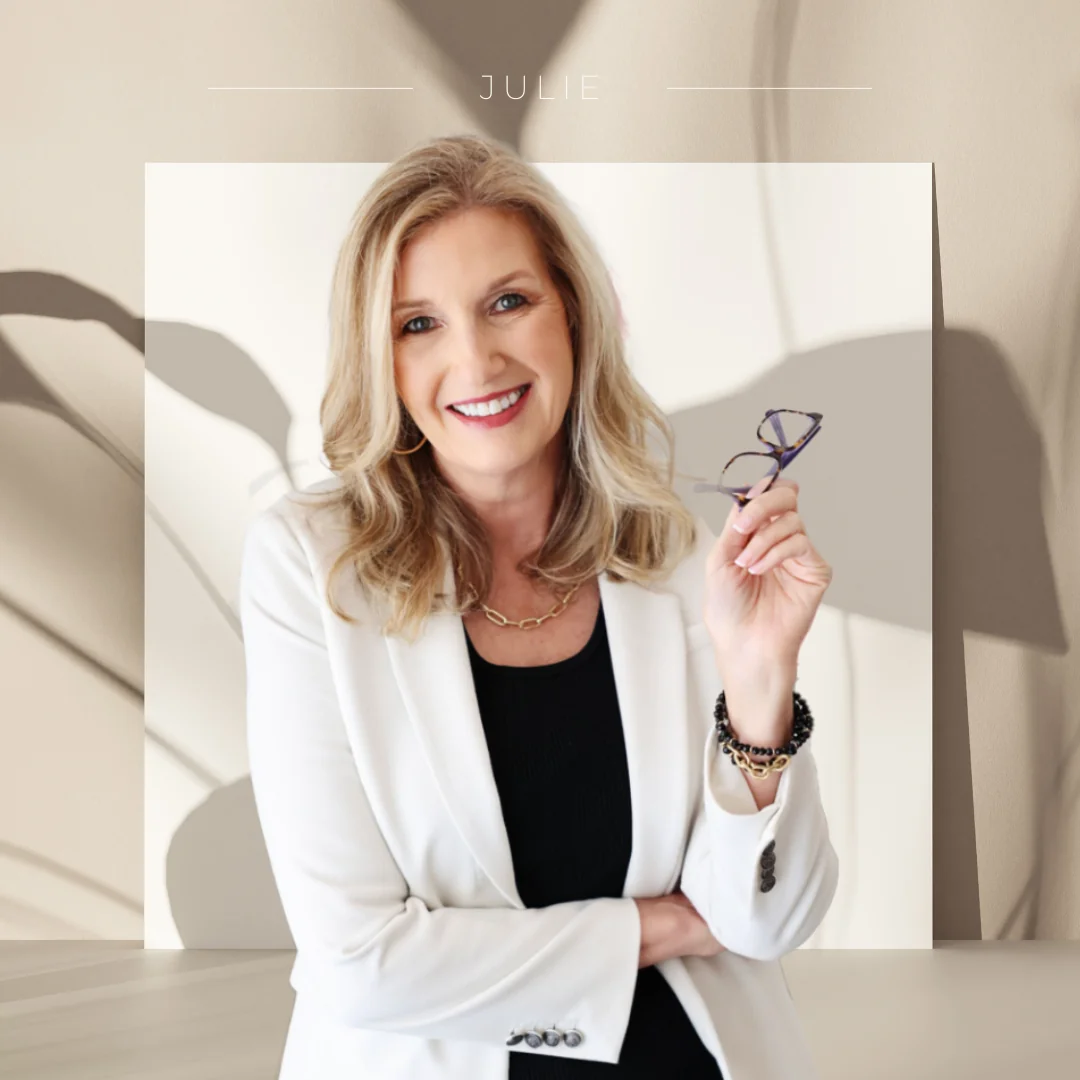
About Julie Jones: Julie Jones is the author of The Presence Effect and creator of the AIM Methodology (Attitude, Image, Self-Management). She helps leaders and teams in Dallas-Fort Worth and nationwide develop executive presence, communicate with intention, and build high-performing cultures. It's not just leadership. It's how you'll be remembered.